
Your Guide to Home EV Charger Installation
Electric vehicles are becoming a more common sight on the roads of the Northshore, and for good reason. They're efficient, quiet, and fun to drive. One of the biggest perks of owning an EV is the ability to wake up every morning with a “full tank.” But if you're considering making the switch, you probably have questions: Where do you start? What does it involve? And is your home's electrical system ready for it?
Navigating the world of home EV charging can feel complex, but it doesn't have to be. This guide will walk you through the essentials of setting up a home charging station, from understanding the different types of chargers to ensuring your installation is safe and up to code. Here at Let There Be Light Electric, we help homeowners in Covington and the surrounding areas make a smooth transition to electric driving, and we're here to shed some light on the process.
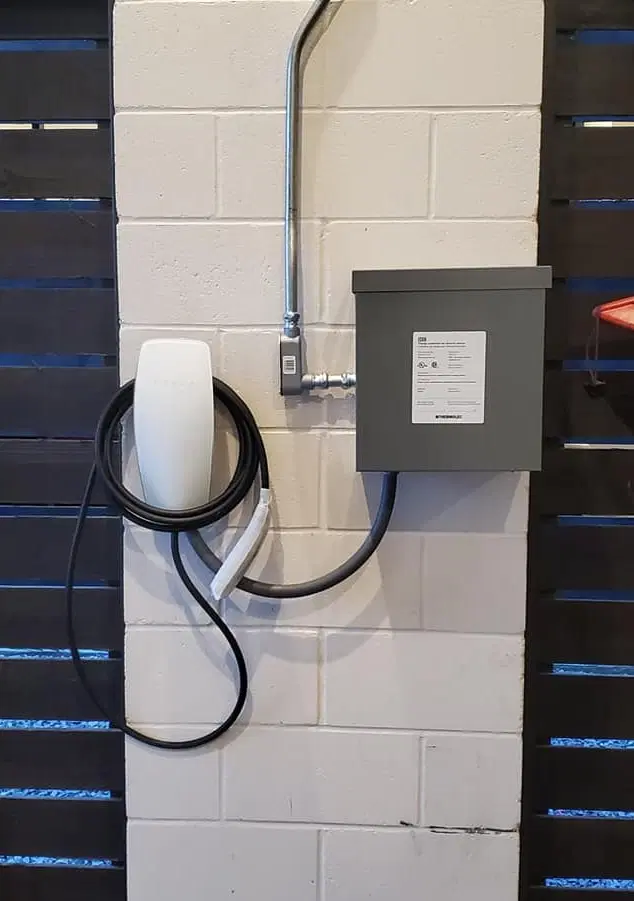
Why Charge at Home? The Benefits of a Personal EV Station
While public charging networks are expanding, the vast majority of EV charging happens right at home. The convenience and cost savings are hard to beat.
- Unmatched Convenience: Imagine never having to stop for gas again. With a home charger, you simply plug in your car when you get home and wake up to a fully charged battery. It seamlessly fits into your daily routine, eliminating trips to public charging stations and waiting for an available spot.
- Significant Cost Savings: Charging at home is typically much more affordable than using public charging stations, and it's a fraction of the cost of gasoline. Your electricity rate at home is lower, and you can often take advantage of off-peak rates overnight to save even more money on your utility bills.
- Better for Your Battery: Most home chargers are Level 2, which provides a steady, consistent charge. This method is often gentler on your vehicle's battery than frequent use of high-powered DC fast chargers, potentially helping to preserve its long-term health and range.
- Increased Property Value: As EVs grow in popularity, a professionally installed home charging station is becoming a highly sought-after feature for potential homebuyers, adding value and appeal to your property.
Understanding Charging Levels: What's Right for Your Home?
Not all chargers are created equal. For home use, you'll primarily be dealing with two types: Level 1 and Level 2.
Level 1 Charging: This is the most basic option. It uses a standard 120-volt household outlet—the same kind you plug your toaster into. While it requires no special installation, it's also very slow, adding only about 3-5 miles of range per hour of charging. For most all-electric vehicles, this can mean taking several days to reach a full charge. It's a decent backup option but isn't practical for daily use.
Level 2 Charging: This is the gold standard for home EV charging. Level 2 chargers use a 240-volt circuit, similar to what an electric dryer or oven uses. They are significantly faster, adding 20-60 miles of range per hour, depending on the car and the charger's amperage. This means you can easily get a full charge overnight. A Level 2 charger requires professional installation by a licensed electrician to ensure it's wired safely and correctly.
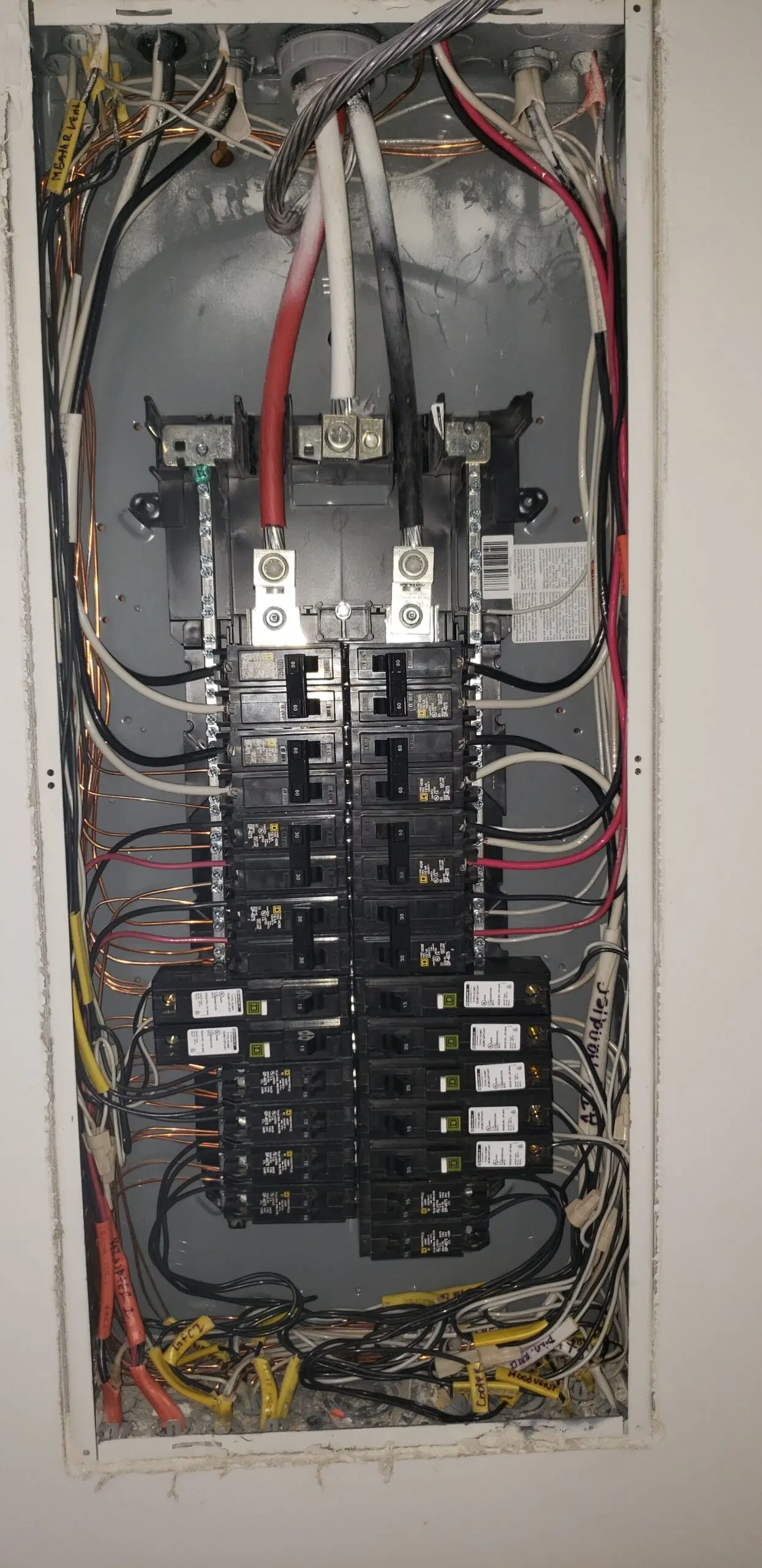
Is Your Home's Electrical System Ready for an EV Charger?
Before you can install a Level 2 charger, it's crucial to determine if your home's electrical system can handle the additional load. An EV charger is a powerful piece of equipment that draws a continuous amount of electricity for hours at a time.
The key component is your electrical service panel. A qualified electrician will need to perform a "load calculation" to assess your home's total electrical demand. This calculation considers the size of your home, existing major appliances (like HVAC systems, water heaters, and ovens), and the new EV charger. This ensures that adding the charger won't overload your system, which could lead to tripped breakers or more serious safety hazards.
You might need an electrical panel upgrade if:
- Your home is older and has a panel with less than 200-amp service.
- Your current panel is already full, with no space for a new dedicated 240-volt circuit.
- You frequently experience flickering lights or tripped breakers.
A professional assessment is the only way to know for sure. This step is not just about convenience; it's about ensuring the safety and reliability of your entire home's electrical system.
The Installation Process: Safety, Permits, and Professionalism
Installing an EV charger is not a DIY project. It involves high-voltage electricity and requires adherence to strict safety codes. Working with a licensed and insured electrician guarantees the job is done right.
- Consultation and Assessment: We'll start by discussing your driving habits, vehicle specifications, and ideal charger location. We will then perform a thorough assessment of your electrical panel and wiring to determine the scope of the project.
- Permitting: In St. Tammany Parish, installing a new 240-volt circuit for an EV charger typically requires an electrical permit. A professional electrician handles this entire process, submitting the necessary plans and paperwork to ensure all work is fully compliant with local and national electrical codes. Our permits and inspections service ensures everything is handled correctly from the start.
- Installation: Our certified electrician will run a new, dedicated circuit from your panel to your desired charging location. We then mount the charging unit securely and ensure all connections are safe and weatherproof if installed outdoors.
- Inspection and Testing: After the installation is complete, the work will be inspected by the local authority to verify code compliance. We then test the charger with you to make sure it's working perfectly and you're comfortable with its operation.
We can also perform energy audits to identify other ways you can optimize your home's energy use, making your switch to an EV even more efficient.
Power Your Drive with Confidence
Making the switch to an electric vehicle is an exciting step towards a more sustainable and cost-effective way to travel. A professionally installed home charging station is the key to unlocking the full convenience and benefit of EV ownership. From the initial assessment of your electrical panel to the final inspection, a professional installation ensures your charger is safe, reliable, and ready for the road ahead.
If you're fixin' to make the switch or have questions about installing a charger at your home in the Covington area, contact Let There Be Light Electric today. Our team of licensed electricians is ready to help you power your drive with a professional EV charger installation you can trust.